
Nutritional psychiatry isn’t a diet trend. It’s a clinical framework for treating and preventing mental illness that happens to work through groceries instead of prescriptions.
The premise is straightforward: the brain runs on nutrients, and what shows up on a plate either supplies them or it doesn’t. The brain is 2% of body weight but burns 20% of the calories we eat. Of the 34 nutrients essential to human health, researchers have identified 12 with real evidence in depression — folate, iron, long-chain omega-3s, magnesium, zinc, and B12 among them. Whole foods deliver these in combination; supplements, on their own, haven’t held up. The largest depression-prevention trial ever run gave more than 1,000 adults a daily multi-nutrient pill and found no effect. An oyster delivers zinc, B12, selenium, iron, and omega-3s together. A pill delivers one nutrient at a time.
That’s what sets this apart from most mental health interventions: it doesn’t wait on a referral, a waitlist, or a diagnosis. It’s already happening, every day, at the dinner table and in the school cafeteria. Whoever packs a lunch or plans a menu is already making a mental health intervention, whether or not anyone calls it that.
That’s also why this work belongs at the family and school level, not just the clinic. A parent swapping soda for sparkling water. A food pantry stocking canned tuna. None of these require a specialist. They’re small, repeatable choices that build into a dietary pattern, and pattern is what the evidence tracks, not any single meal.
In a region with long distances between families and the nearest psychiatrist, that distinction matters. Nutritional psychiatry doesn’t replace therapy or medication, but it’s one nearly everyone can have the tools to use.
Dr. Ramsey lays out the full clinical case in our latest post.
~Sabrina Gracias, Founder, Ortus Foundation
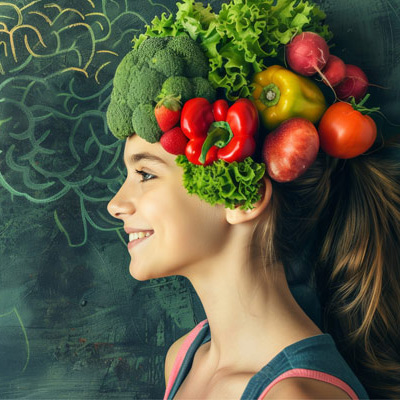
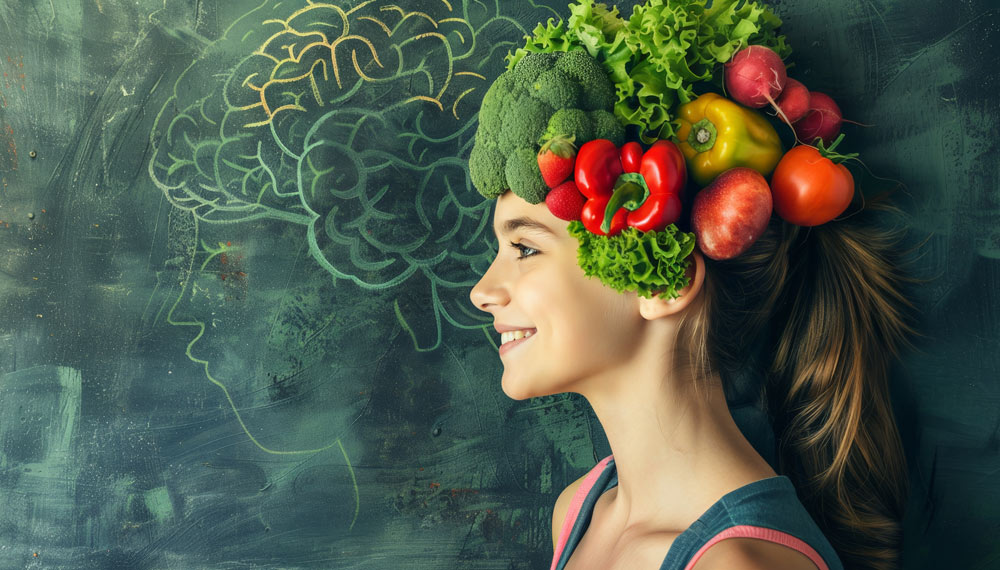
Five years ago I moved to Wyoming as a psychiatrist, and into one of the worst mental health epidemics most people haven’t considered. Wyoming’s adolescent suicide rate has been reported at 30.4 per 100,000 against 10.6 nationally — near triple. Many of us can’t stop thinking about the adolescent mental health and what we need to do. This crisis might seem a long way from our dinner tables and school cafeterias. A decade of research says otherwise, and hands us tools we didn’t have before.
People are surprised to meet a psychiatrist who prescribes pesto and bison burgers. I’m always surprised and intrigued by the foods my patients eat. It’s a perfect match, really, and over the years the combination of nutrition and mental health — now called nutritional psychiatry — has grown into an evidence-based field and mental health’s tastiest intervention.
There are plenty of debates in mental health, but nearly everyone agrees that what we eat affects how we feel. Matt gets lunch at Albertsons and loves the daily deals — “so much food, bruh” — chicken tenders and potato wedges. Kate wants to help her family eat more vegetables. Marcos saw a TikTok about keto for depression and quit carbohydrates. Are these all openings for the mental health system? Yes.
Nutritional psychiatry gives clinicians and organizations a framework for working upstream of mental illness — and for offering the kind of intervention that keeps clients engaged.
In the AMMEND trial, young Australian men aged 18 to 25 with moderate to severe depression received nutritional counseling to shift toward olive oil, plants, and legumes. Their depression scores fell 20.6 points, and 36 percent finished with low to minimal symptoms.
The SMILES trial — the first randomized trial of a Mediterranean-style diet as adjunct treatment for clinical depression — found 32 percent of patients receiving dietitian-delivered counseling reached full remission over 12 weeks, against 8 percent receiving social support. Neither group lost weight, so the benefit wasn’t riding on the scale.
Two more randomized trials found the same, and pooled across 16 trials and more than 45,000 participants, dietary improvement reduces depressive symptoms.
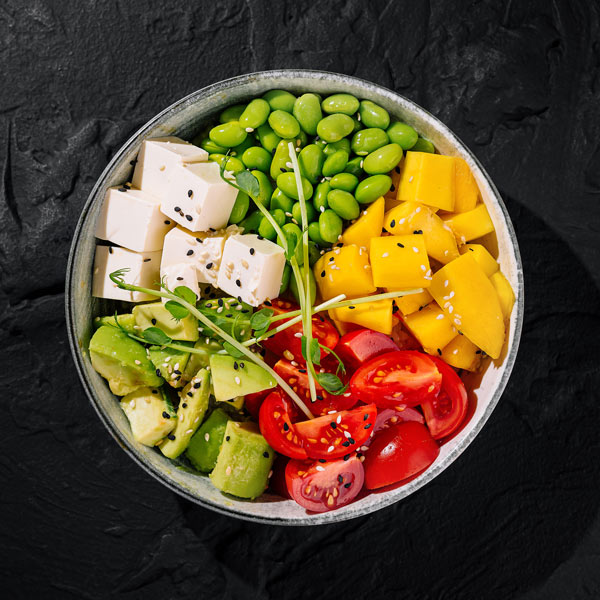
Most of this research used a Mediterranean pattern, which can create a practical problem in the Intermountain West or for anyone unfamiliar with those dishes or flavors. Instead of prescribing tapas and paella, remember what’s doing the work: a traditional pattern built from whole, real foods. Ultra-processed foods — many engineered to hook kids — now make up a larger share of our patients’ calories than ever, and a review covering nearly 10 million people graded the link to anxiety as convincing. We can’t change a dietary pattern overnight, but we can translate advice into groceries people can afford at the store they actually shop at.

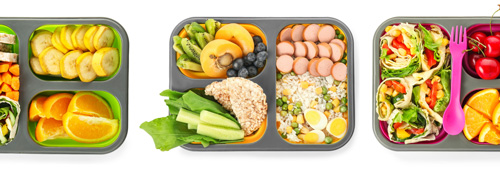
Food insecurity is among the most powerful modifiable risk factors we have, and it is everywhere here. In Idaho, 16.2 percent of children are food insecure; in counties like Lewis and Shoshone it approaches one in four.
The consequences are not subtle. Across 179,771 adolescents in 44 countries, severe food insecurity carried 90 percent higher odds of a suicide attempt. In a nationally representative US sample, food-insufficient adolescents had five times the odds of having attempted suicide. And when Canadian researchers verified household income against tax records — removing the objection that this is merely poverty — food insecurity still predicted suicidal ideation.
It arrives at school through breakfast. Food-insecure teenagers are more than twice as likely to skip breakfast every single day. In Montana’s 2023 Youth Risk Behavior Survey, 73 percent of high schoolers didn’t eat breakfast daily and 96 percent didn’t eat two servings of vegetables. Meanwhile TikTok tells growing brains a different story — protein maxxing, peptides, carnivore, whatever is trending.
The intervention research in teenagers is thinner than in adults, which is exactly why this work belongs at the family and school level rather than waiting on trials nobody has run here.
Across 179,771 adolescents in 44 countries, severe food insecurity carried 90 percent higher odds of a suicide attempt. In a nationally representative US sample, food-insufficient adolescents had five times the odds of having attempted suicide.
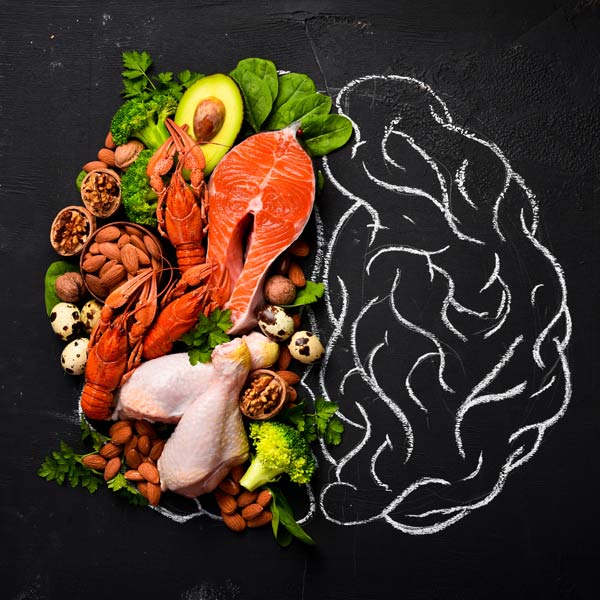
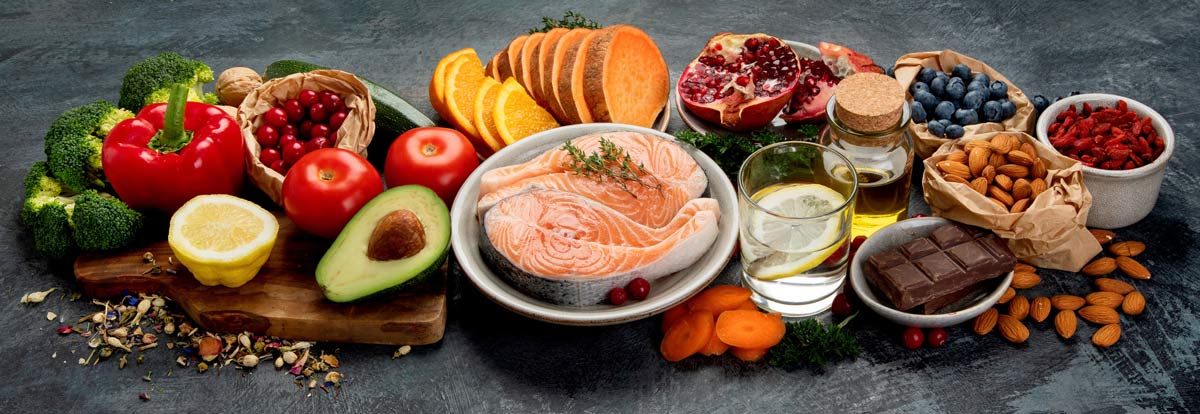
The brain is two percent of body weight and consumes twenty percent of our calories. The question isn’t how much a patient eats but what arrives with it. Reviewing the 34 nutrients essential to human health, Laura LaChance and I identified twelve with real evidence in depression — among them folate, iron, long-chain omega-3s, magnesium, zinc, and B12. Vegetables deliver them most densely among plants; bivalves and seafood among animal foods.
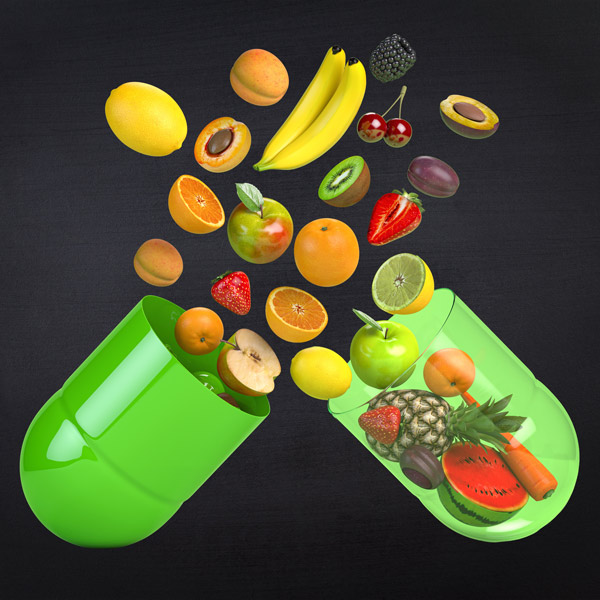
Whole diets keep outperforming capsules. The largest depression prevention trial ever run gave 1,025 adults multinutrient supplements and found nothing. An oyster delivers zinc, B12, selenium, iron, and omega-3s at once. A zinc tablet delivers zinc.

Nobody overhauls their diet on a Tuesday. Swap potato wedges for frozen edamame. Swap soda for sparkling water with lime. Put sardines in the pantry next to the tuna.
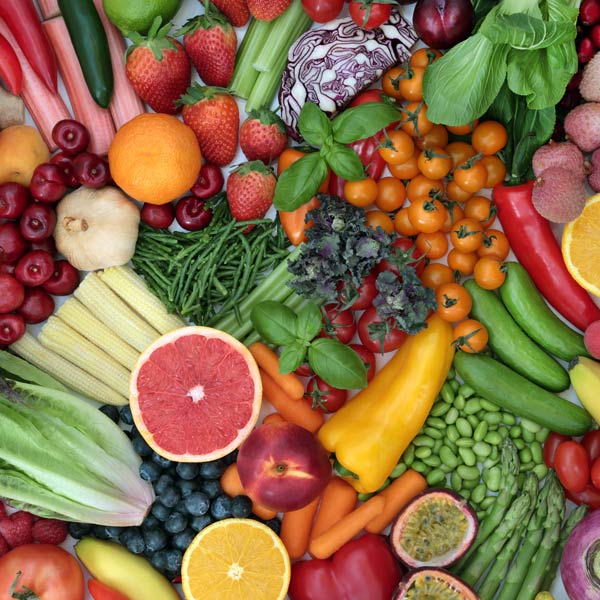
More plants, more color, more fiber, more shared meals. This matters clinically: in that same Montana survey, 52 percent of high school girls reported actively trying to lose weight. Restriction language lands in a primed room.
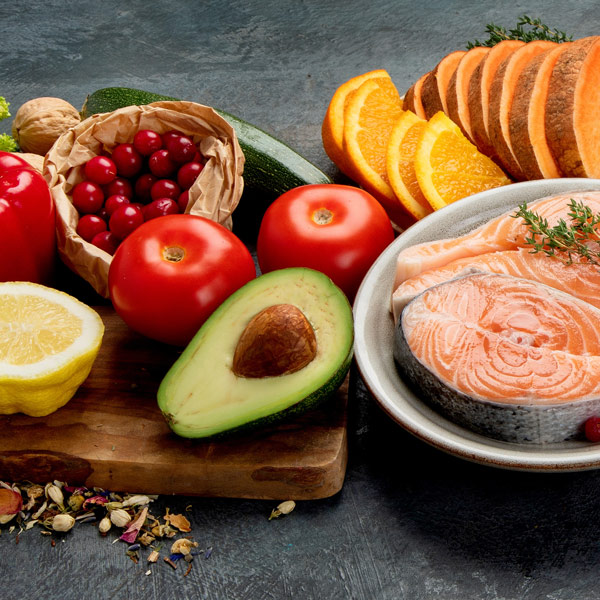
Seafood twice a week. Canned sardines, frozen salmon, and canned oysters are shelf-stable, cheap, and top the list for brain nutrients. Trout, elk, and bison are local and excellent.
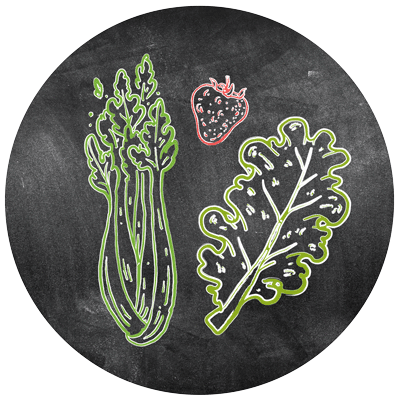
Leafy greens and colorful vegetables daily. Frozen spinach costs about a dollar and survives a two-hour drive home.
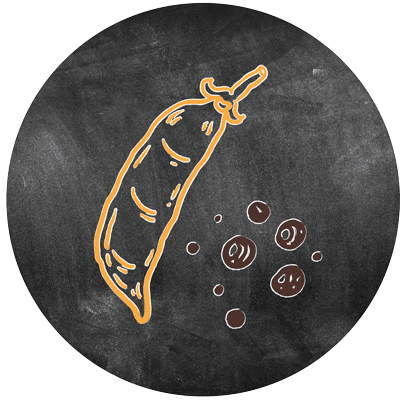
Nuts, seeds, beans, and legumes. Magnesium, fiber, and protein for pennies per serving. Beans are the most underrated brain food in America.
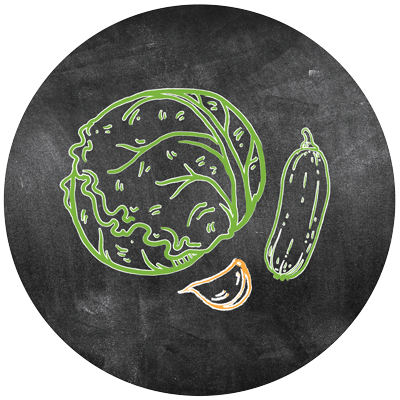
Fermented foods. Yogurt, kefir, sauerkraut — feeding the microbiome that talks to the brain all day.
Seafood twice a week. Canned sardines, frozen salmon, and canned oysters are shelf-stable, cheap, and top the list for brain nutrients. Trout, elk, and bison are local and excellent.
Leafy greens and colorful vegetables daily. Frozen spinach costs about a dollar and survives a two-hour drive home.
Nuts, seeds, beans, and legumes. Magnesium, fiber, and protein for pennies per serving. Beans are the most underrated brain food in America.
Fermented foods. Yogurt, kefir, sauerkraut — feeding the microbiome that talks to the brain all day.
This is where most nutrition advice falls apart. Telling a patient to cook more assumes they know how, have equipment and time, and can afford the ingredients. Usually one of those is missing and nobody asked.
So ask. Who shops? Who cooks? Is there a working stove? Does food run out before the end of the month? That last question is the two-item Hunger Vital Sign and takes fifteen seconds. Then meet the answer where it is — a sheet-pan recipe, a food bank number, a school meals application. Skills and money are clinical variables, not personal failings. For organizations, the same logic points somewhere specific: cooking classes beat pamphlets, and school breakfast reaches kids who will never see a psychiatrist.
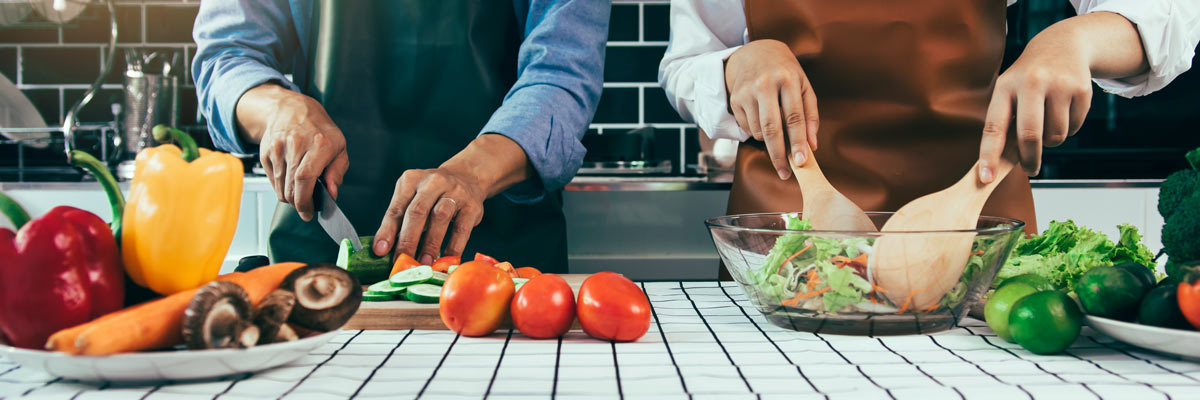
The distances here are real and the clinicians are few. That is precisely why nutrition matters more, not less. Every adult in a young person’s life feeds them something, and that is a mental health intervention whether we treat it as one or not. Nutritional psychiatry doesn’t replace therapy or medication — it widens the ground they stand on, and it’s the rare tool a family, a school, or a food bank can pick up on Monday.
Bayes J, Schloss J, Sibbritt D. The effect of a Mediterranean diet on the symptoms of depression in young males (the “AMMEND” study): a randomized controlled trial. Am J Clin Nutr. 2022;116(2):572–580.
Jacka FN, O’Neil A, Opie R, et al. A randomised controlled trial of dietary improvement for adults with major depression (the “SMILES” trial). BMC Med. 2017;15:23.
Parletta N, Zarnowiecki D, Cho J, et al. A Mediterranean-style dietary intervention supplemented with fish oil improves diet quality and mental health in people with depression (HELFIMED). Nutr Neurosci. 2019;22(7):474–487.
Francis HM, Stevenson RJ, Chambers JR, Gupta D, Newey B, Lim CK. A brief diet intervention can reduce symptoms of depression in young adults — a randomised controlled trial. PLoS One. 2019;14:e0222768.
Firth J, Marx W, Dash S, et al. The effects of dietary improvement on symptoms of depression and anxiety: a meta-analysis of randomized controlled trials. Psychosom Med. 2019;81(3):265–280.
Lane MM, Gamage E, Du S, et al. Ultra-processed food exposure and adverse health outcomes: umbrella review of epidemiological meta-analyses. BMJ. 2024;384:e077310.
LaChance LR, Ramsey D. Antidepressant foods: an evidence-based nutrient profiling system for depression. World J Psychiatry. 2018;8(3):97–104.
Bot M, Brouwer IA, Roca M, et al; MooDFOOD Prevention Trial Investigators. Effect of multinutrient supplementation and food-related behavioral activation therapy on prevention of major depressive disorder. JAMA. 2019;321(9):858–868.
Campisi SC, Zasowski C, Shah S, et al. Do healthy dietary interventions improve pediatric depressive symptoms? A systematic review and meta-analysis. Adv Nutr. 2021;12(6):2495–2507.
Koyanagi A, Stubbs B, Oh H, et al. Food insecurity (hunger) and suicide attempts among 179,771 adolescents attending school from 9 high-income, 31 middle-income, and 4 low-income countries. J Affect Disord. 2019;248:91–98.
Alaimo K, Olson CM, Frongillo EA. Food insufficiency and American school-aged children’s cognitive, academic, and psychosocial development. Pediatrics. 2001. [Confirm citation — reported OR 5.0 for suicide attempt]
Lounis L, Jacqdom L, Elgar FJ. Food insecurity and youth suicidal behaviours: evidence from the Canadian Health Survey of Children and Youth. Can J Public Health. 2025.
Robson SM, Lozano AJ, Papas M, Patterson F. Food insecurity and cardiometabolic risk factors in adolescents. Prev Chronic Dis. 2017;14:170222.
Montana Office of Public Instruction. Montana Youth Risk Behavior Survey, 2023.
Feeding America. Map the Meal Gap, 2025 (2023 data). Idaho state and county estimates.
NAMI Wyoming. Mental Health in Wyoming state fact sheet, 2025.
Call 988 or visit the link below to get 24/7 crisis support for yourself or a loved one.