MENU

Collaborative Funding Models:

Addressing the Gaps in Youth Mental Health Funding

June 9, 2026

Less than

0 %

of philanthropic funding in the U.S.

is directed toward mental health and addiction

Less than

0 %

of philanthropic funding in the U.S.

is directed toward mental health and addiction

Less than

0 %

of philanthropic funding in the U.S.

is directed toward mental health and addiction

The youth mental health crisis in the United States is escalating, with staggering statistics underscoring the urgency for effective intervention. Recent studies reveal that approximately 42% of high school students report persistent feelings of sadness or hopelessness. The need for innovative funding solutions is critical, as traditional funding mechanisms often fail to meet the growing demands of youth mental health services.

Understanding Collaborative Funding Models

Collaborative funding brings together resources from various stakeholders, including foundations, government entities, and community organizations, to address mental health needs comprehensively. This model promotes a more flexible allocation of funds, ensuring diverse mental health needs are met.
  • Shared Goals: Collaborative funding aligns various stakeholders around common objectives, facilitating a unified approach to tackling youth mental health challenges.
 
  • Resource Optimization: By pooling resources, funders can support larger initiatives that have a broader impact rather than isolated projects, which often lack sustainability.

“Complex challenges don’t yield to isolated investments. Lasting change happens when funders align around a shared vision, pool their strengths, and move further together than any one of us could alone. This is a strategy of scale.”

- Ortus Foundation Founder,
Sabrina Gracias

The Importance of Collaborative Funding

Collaborative funding models not only enhance financial efficiencies but also foster shared learning among stakeholders. These models can effectively address systemic issues contributing to mental health disparities among youth, such as socioeconomic factors and community support systems.

Collaborative funding brings together resources from various stakeholders, including foundations, government entities, and community organizations, to address mental health needs comprehensively. This model promotes a more flexible allocation of funds, ensuring diverse mental health needs are met.

  • Shared Goals: Collaborative funding aligns various stakeholders around common objectives, facilitating a unified approach to tackling youth mental health challenges.

  • Resource Optimization: By pooling resources, funders can support larger initiatives that have a broader impact rather than isolated projects, which often lack sustainability.

“Complex challenges don’t yield to isolated investments. Lasting change happens when funders align around a shared vision, pool their strengths, and move further together than any one of us could alone. This is a strategy of scale.”

- Ortus Foundation Founder,
Sabrina Gracias

The Importance of Collaborative Funding

Collaborative funding models not only enhance financial efficiencies but also foster shared learning among stakeholders. These models can effectively address systemic issues contributing to mental health disparities among youth, such as socioeconomic factors and community support systems.

Current Landscape of Youth Mental Health Funding

Despite the alarming statistics, less than 1.7% of philanthropic funding in the U.S. is directed toward mental health and addiction. As the demand for mental health services increases, the funding landscape reveals both challenges and opportunities:
  • Youth Mental Health as a Priority: Funders are increasingly focused on youth mental health, with 83% of surveyed funders identifying it as a primary area of interest. This alignment in giving offers strategic opportunities for collaboration and increased impact.
  • Public Funding Landscape: The federal government allocated approximately $280 billion to mental health in 2020, but public funding still lags behind necessary investment to meet the needs of youth mental health. Philanthropic support can fill critical gaps and catalyze public dollars toward mental health initiatives.

Filling the Gaps: The Role of Philanthropy

Philanthropic organizations can play a pivotal role in advancing collaborative funding models. They can act as facilitators, bringing together diverse stakeholders to ensure funds are strategically directed toward high-impact initiatives.
Creating Networks
Philanthropy can foster networks that connect organizations working in youth mental health, enhancing collaboration and knowledge sharing. Networks can amplify the impact of individual funders by pooling resources and expertise.
Policy-change
Driving Policy Change
Through advocacy, philanthropic funding can influence policy changes that increase funding for mental health services, ensuring that the needs of youth are prioritized. According to the National Alliance on Mental Illness (NAMI), effective advocacy is essential for driving systemic change in mental health policy.

Measuring Success in Mental Health Philanthropy

Effective measurement is vital for understanding the impact of philanthropic investments in mental health. Mindful Philanthropy provides a comprehensive framework for assessing success in mental health initiatives, emphasizing the need for a multi-dimensional approach.
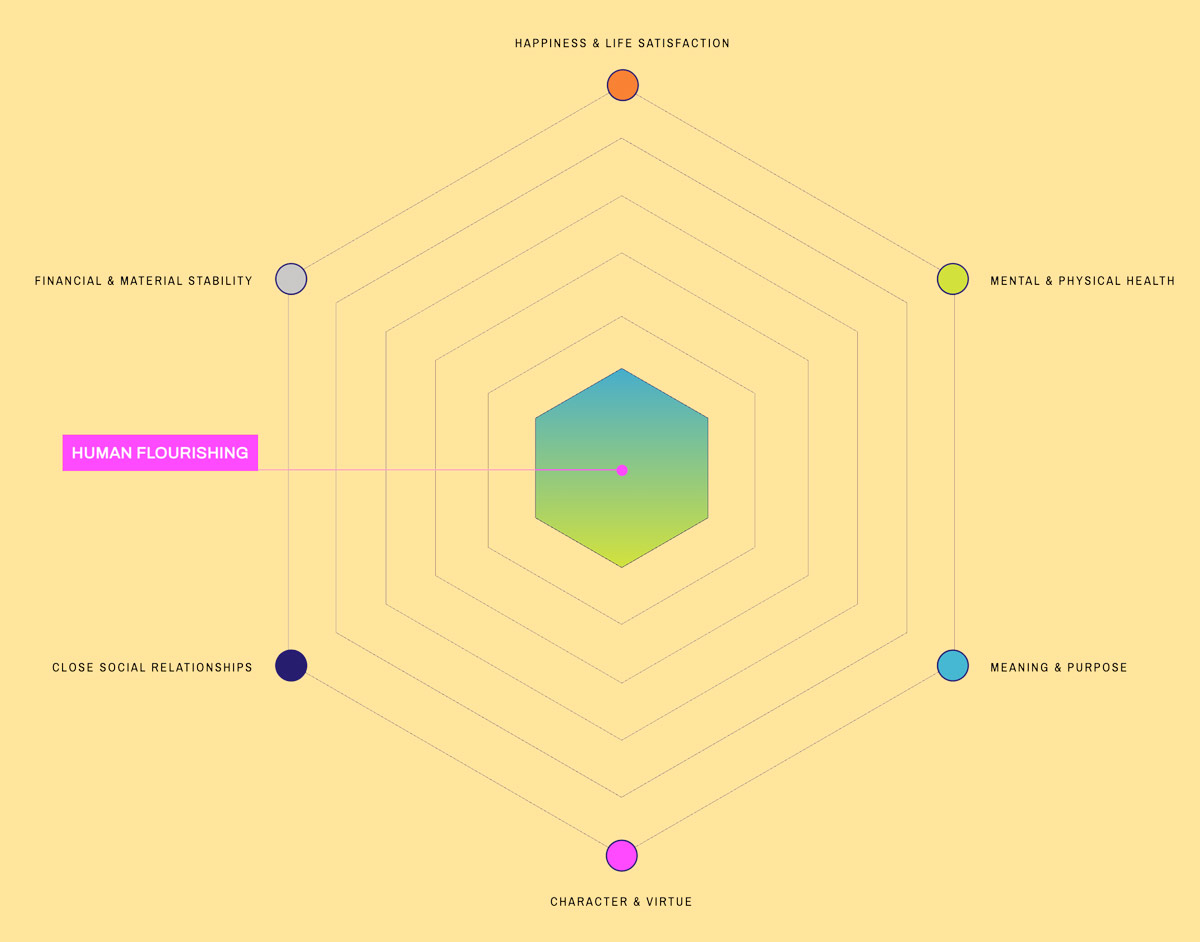
Research lenses from the Global Flourishing Study
Goal Metrics
Key metrics for measuring success include Years of Life Lost (YLL) from preventable mental health causes, Years Lived with Disability (YLD), and overall life expectancy. These metrics offer a broader understanding of the impact of mental health initiatives on community well-being.
Common Metrics

Establishing a common set of metrics allows for clearer communication among stakeholders and better alignment of funding strategies. The Global Flourishing Study provides a framework for measuring success in mental health by assessing factors such as community connection and individual well-being.

Research lenses from the Global Flourishing Study
Goal Metrics

Key metrics for measuring success include Years of Life Lost (YLL) from preventable mental health causes, Years Lived with Disability (YLD), and overall life expectancy. These metrics offer a broader understanding of the impact of mental health initiatives on community well-being.

Common Metrics

Establishing a common set of metrics allows for clearer communication among stakeholders and better alignment of funding strategies. The Global Flourishing Study provides a framework for measuring success in mental health by assessing factors such as community connection and individual well-being.

Hope and Action: A Path Forward

While the challenges in youth mental health funding are significant, collaborative funding models provide a beacon of hope. By leveraging collective resources and fostering partnerships, stakeholders can create a more effective mental health infrastructure that meets the needs of young people. The youth mental health crisis is urgent, but collaborative funding models offer effective pathways for addressing these challenges. By working together, we can fill the gaps in funding and provide the necessary support for our youth. Ortus Foundation hopes to help guide the way by championing these collaborative efforts, ensuring a healthier future for all.


Sources

  1. Mindful Philanthropy. (2023a). U.S. Funding Landscape: Mental Health at the Center. Retrieved from Mindful Philanthropy
  2. Mindful Philanthropy. (2023b). Measuring Success in Mental Health Philanthropy. Retrieved from Mindful Philanthropy
  3. Mindful Philanthropy. (2023). A Roadmap for Strategic Investment. Retrieved from Mindful Philanthropy
  4. Mindful Philanthropy. (2023). Mental Health at the Center Series. Retrieved from Mindful Philanthropy
  5. National Alliance on Mental Illness (NAMI). (2023). Advocacy for Mental Health Policy Change. Retrieved from NAMI
  6. Global Flourishing Study. (2023). Flourishing and Mental Health Outcomes: A Comprehensive Analysis. Retrieved from Global Flourishing Study

Meet the passionate people behind Ortus Foundation

Learn how we’re fueling change for youth mental health

Explore findings and tools from youth mental health experts