The youth mental health crisis in the United States is escalating, with staggering statistics underscoring the urgency for effective intervention. Recent studies reveal that approximately 42% of high school students report persistent feelings of sadness or hopelessness. The need for innovative funding solutions is critical, as traditional funding mechanisms often fail to meet the growing demands of youth mental health services.
Collaborative funding brings together resources from various stakeholders, including foundations, government entities, and community organizations, to address mental health needs comprehensively. This model promotes a more flexible allocation of funds, ensuring diverse mental health needs are met.
“Complex challenges don’t yield to isolated investments. Lasting change happens when funders align around a shared vision, pool their strengths, and move further together than any one of us could alone. This is a strategy of scale.”
Collaborative funding models not only enhance financial efficiencies but also foster shared learning among stakeholders. These models can effectively address systemic issues contributing to mental health disparities among youth, such as socioeconomic factors and community support systems.
Despite the alarming statistics, less than 1.7% of philanthropic funding in the U.S. is directed toward mental health and addiction. As the demand for mental health services increases, the funding landscape reveals both challenges and opportunities:
Philanthropic organizations can play a pivotal role in advancing collaborative funding models. They can act as facilitators, bringing together diverse stakeholders to ensure funds are strategically directed toward high-impact initiatives.
Philanthropy can foster networks that connect organizations working in youth mental health, enhancing collaboration and knowledge sharing. Networks can amplify the impact of individual funders by pooling resources and expertise.
Through advocacy, philanthropic funding can influence policy changes that increase funding for mental health services, ensuring that the needs of youth are prioritized. According to the National Alliance on Mental Illness (NAMI), effective advocacy is essential for driving systemic change in mental health policy.
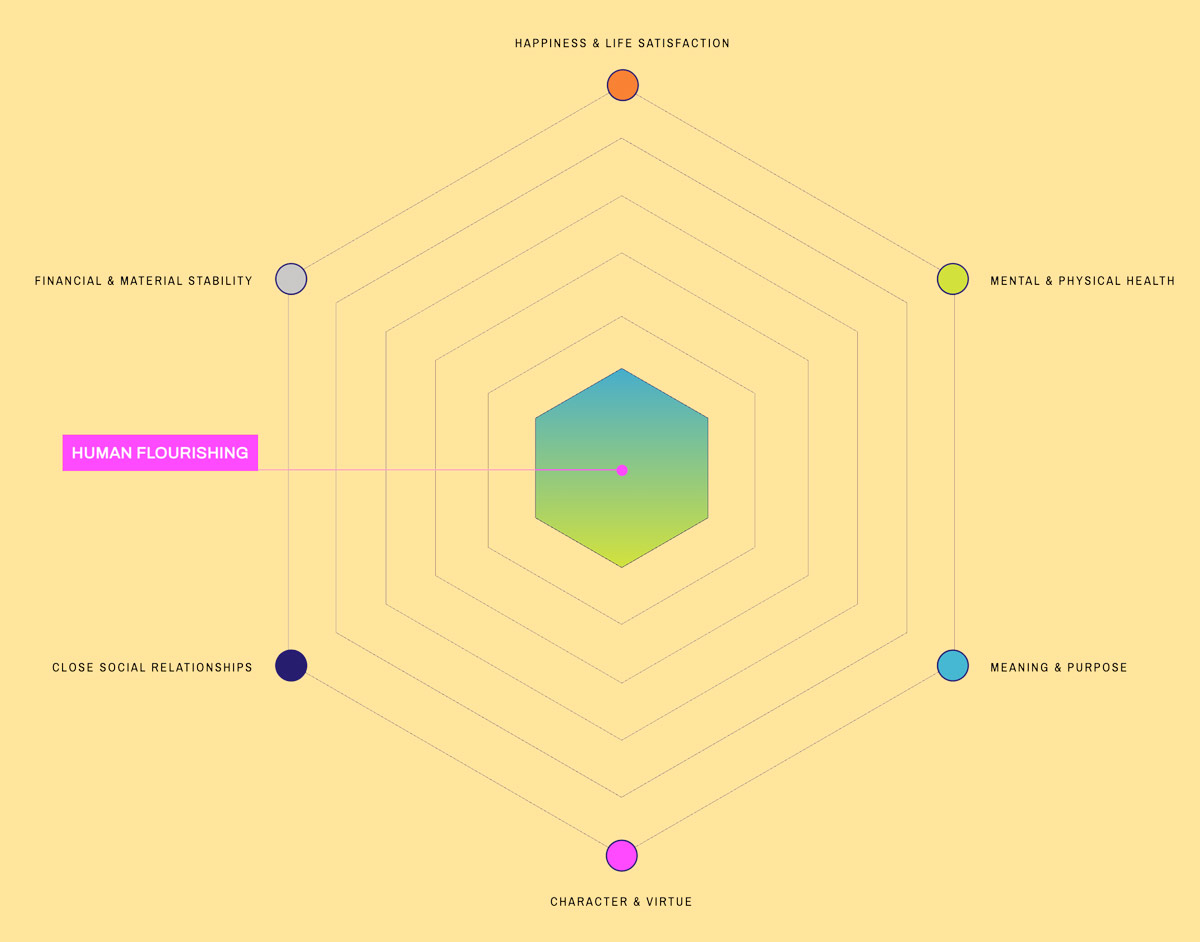
Establishing a common set of metrics allows for clearer communication among stakeholders and better alignment of funding strategies. The Global Flourishing Study provides a framework for measuring success in mental health by assessing factors such as community connection and individual well-being.
Call 988 or visit the link below to get 24/7 crisis support for yourself or a loved one.