

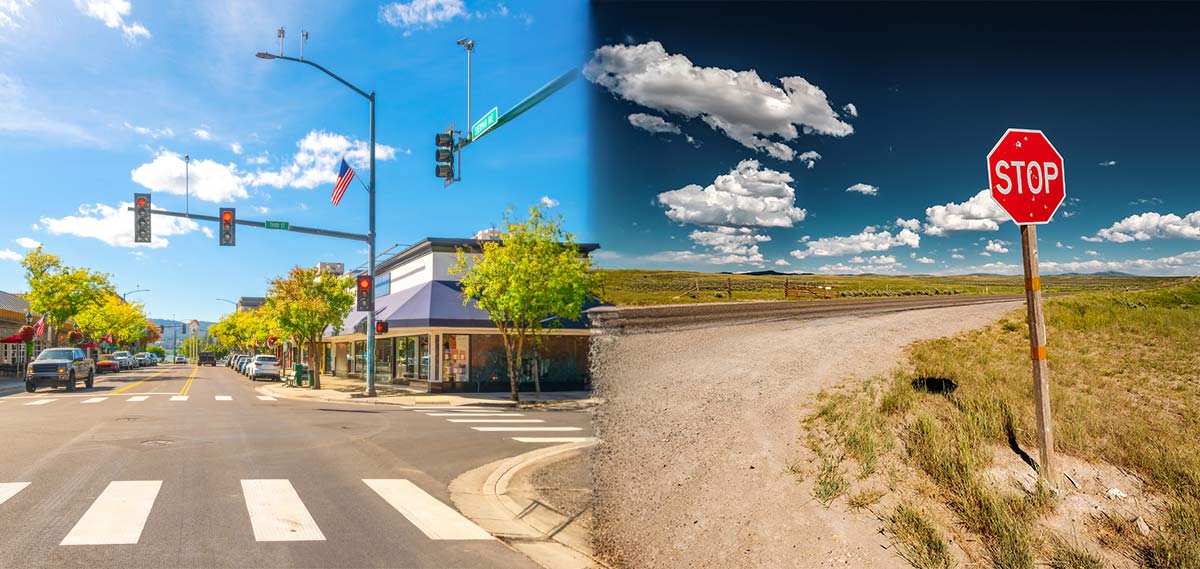
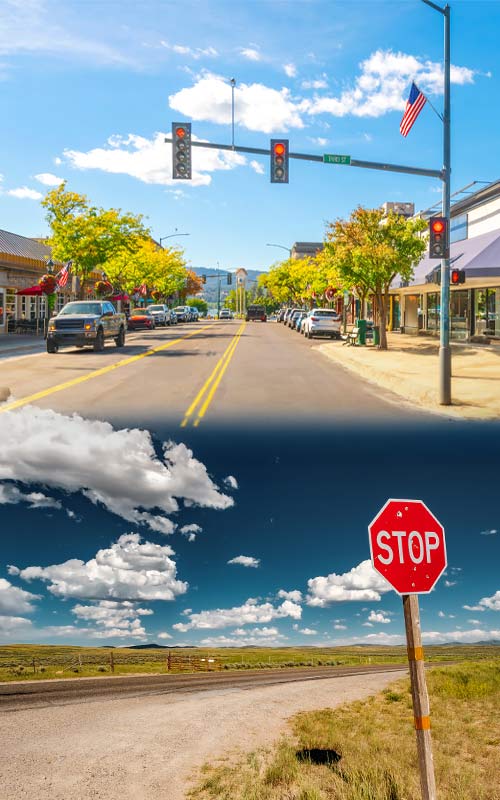
When we speak about youth mental health in the Intermountain West, the words we choose shape the solutions we create. Too often, the terms “rural” and “frontier” are used interchangeably in policy discussions, grant applications, and program design. This linguistic imprecision is not merely semantic. It obscures critical differences in community needs, resource availability, and the lived experiences of young people seeking mental health support across Idaho, Montana, Wyoming, Utah, and Colorado.
Understanding the distinction between rural and frontier geographies is essential for developing effective, equitable mental health interventions for youth in our region.
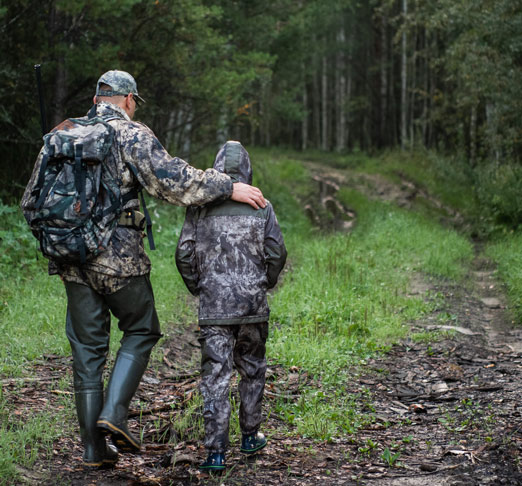
The federal government recognizes these distinctions through specific criteria. Rural areas, as defined by the Federal Office of Rural Health Policy, include any county with a Rural-Urban Continuum Code of 4 through 9, designating non-metropolitan counties with varying degrees of urbanization and proximity to metro areas.
Frontier areas represent a different reality altogether. The USDA Economic Research Service uses Frontier and Remote (FAR) codes that account for both population density and drive-time to urban centers. Frontier counties typically have fewer than six people per square mile. In the most restrictive frontier designation (FAR Level 4), residents may live hours from the nearest urban area, facing geographic isolation that fundamentally alters access to services.
In the Intermountain West, this distinction carries profound implications. A rural high school student in a town of 8,000 people located 45 minutes from a regional hospital faces different barriers than a frontier youth living in a county with 2,500 total residents spread across thousands of square miles.
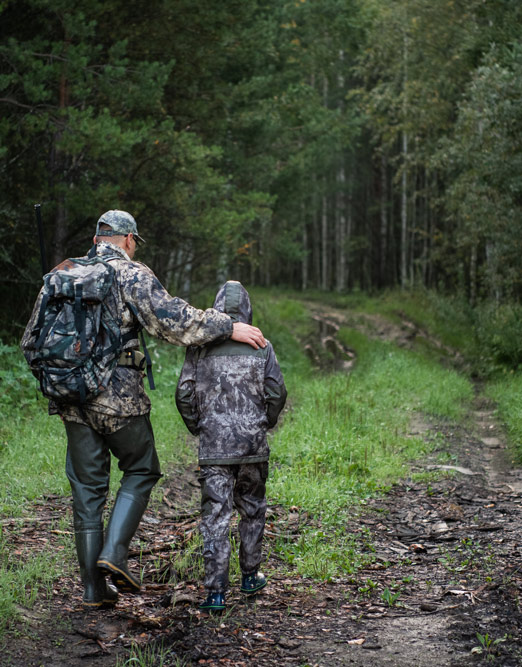
The federal government recognizes these distinctions through specific criteria. Rural areas, as defined by the Federal Office of Rural Health Policy, include any county with a Rural-Urban Continuum Code of 4 through 9, designating non-metropolitan counties with varying degrees of urbanization and proximity to metro areas.
Frontier areas represent a different reality altogether. The USDA Economic Research Service uses Frontier and Remote (FAR) codes that account for both population density and drive-time to urban centers. Frontier counties typically have fewer than six people per square mile. In the most restrictive frontier designation (FAR Level 4), residents may live hours from the nearest urban area, facing geographic isolation that fundamentally alters access to services.
In the Intermountain West, this distinction carries profound implications. A rural high school student in a town of 8,000 people located 45 minutes from a regional hospital faces different barriers than a frontier youth living in a county with 2,500 total residents spread across thousands of square miles.
The data reveals a stark reality. According to 2026 statistics from the Health Resources and Services Administration, rural areas account for 4,243 Mental Health Professional Shortage Area designations, covering over 30 million people. Frontier areas with populations under 2,500 face near-universal mental health professional shortage area designation.
Montana exemplifies these challenges. The state covers an enormous geographic area with a small, dispersed population and very few mental health specialists, with residents often waiting months or driving hours for specialized help. When a frontier county might have zero resident psychiatrists, psychologists, or licensed clinical social workers, the barrier is not simply about improving access but about creating access where virtually none exists.
For youth in frontier areas, this scarcity translates into concrete obstacles: missing school for all-day trips to appointments, parents taking unpaid time off work for transportation, limited crisis intervention options, and minimal peer support networks. The isolation compounds both the mental health challenges themselves and the difficulty of addressing them.
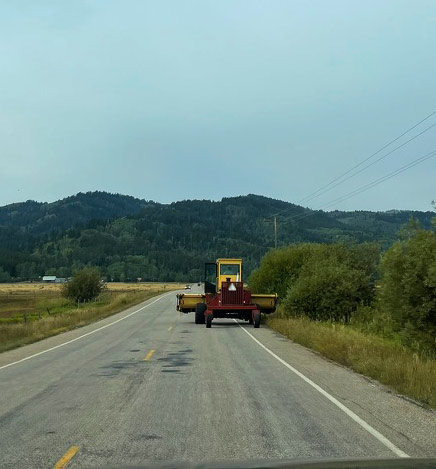
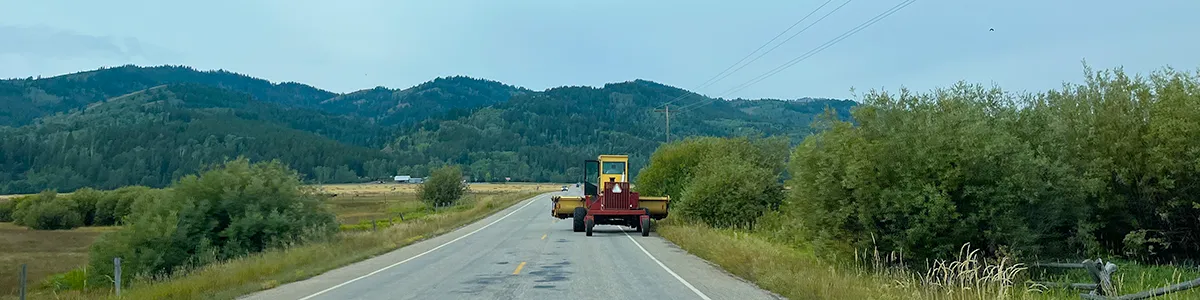
When policymakers, funders, and program designers conflate rural and frontier communities, they risk implementing solutions calibrated for one context in settings where those approaches cannot succeed.
Telehealth initiatives offer a clear example. In rural communities with reliable broadband infrastructure, telepsychiatry and digital therapeutic platforms can dramatically expand access. Research on prescription digital therapeutics shows promise for addressing barriers in rural populations. However, many frontier areas lack the connectivity infrastructure that makes these solutions viable. A program designed for “rural youth” that assumes consistent high-speed internet access will fail to reach frontier young people.
Similarly, school-based mental health programs, which represent a cornerstone strategy for youth mental health, function differently across these contexts. The Jed Foundation’s Intermountain West Learning Series works to build school-based mental health capacity and suicide prevention programming in rural Idaho, Montana, and Wyoming school districts. These efforts recognize that schools often serve as the primary community institution in frontier areas, functioning not just as educational centers but as hubs for social services, healthcare coordination, and community connection.
In frontier settings, a single school counselor might serve an entire county. That counselor needs different training, resources, and support systems than their counterpart in a rural town with multiple schools and closer proximity to mental health specialists for referrals and consultation.
Similarly, school-based mental health programs, which represent a cornerstone strategy for youth mental health, function differently across these contexts. The Jed Foundation’s Intermountain West Learning Series works to build school-based mental health capacity and suicide prevention programming in rural Idaho, Montana, and Wyoming school districts. These efforts recognize that schools often serve as the primary community institution in frontier areas, functioning not just as educational centers but as hubs for social services, healthcare coordination, and community connection.
In frontier settings, a single school counselor might serve an entire county. That counselor needs different training, resources, and support systems than their counterpart in a rural town with multiple schools and closer proximity to mental health specialists for referrals and consultation.
Recognizing the rural-frontier distinction opens pathways to more effective interventions tailored to specific community contexts.


Enhanced training for existing community providers. When specialist scarcity is the norm, primary care physicians, school nurses, teachers, and youth ministers become the mental health safety net. Programs like the RUUTE initiative from University of Utah Health expand medical education and training specifically to improve rural and frontier health access across Idaho, Montana, and Wyoming, ensuring future providers understand these unique contexts.

Mental health literacy initiatives. Utah State University’s Mental Health Literacy program provides mental health education resources specifically designed for rural youth in Utah. Equipping young people, families, and community members with knowledge about mental health reduces stigma and enables earlier identification of concerns, particularly valuable where professional resources are scarce.

Regionally coordinated care networks. Intermountain Health serves rural and frontier communities across Utah, Idaho, Montana, and Wyoming, working to address gaps in mental health care access through coordinated systems that acknowledge geographic realities while creating connections across distances.



The youth mental health crisis in the Intermountain West demands our most thoughtful, precise responses. Using language that accurately reflects community realities is not pedantic. It is foundational to effective action.
When we distinguish between rural and frontier contexts, we honor the specific experiences of young people in each setting. We design programs that match community infrastructure rather than imposing solutions built for different geographies. We allocate resources with greater precision, ensuring that the most isolated communities receive interventions calibrated to their needs.
The challenges are significant, but so is the commitment across the Intermountain West to supporting youth mental health. Researchers, healthcare systems, foundations, schools, and community organizations are developing innovative approaches that recognize geographic diversity as a factor requiring thoughtful response rather than an insurmountable barrier.
By speaking with precision about rural versus frontier contexts, we take an essential step toward ensuring that every young person in the Intermountain West, regardless of where they call home, has access to the mental health support they deserve. The words we choose today shape the systems we build tomorrow.
Call 988 or visit the link below to get 24/7 crisis support for yourself or a loved one.